Skip to content

Mukha

Dental Implants

The most comprehensive dental implant centre in Bangalore — from single tooth to full-arch rehabilitation, complex bone grafting, and oncology cases — by Prof. Dr. Girish Rao, Oral & Maxillofacial Surgeon.

The Third Set of Teeth

What Are Dental Implants?

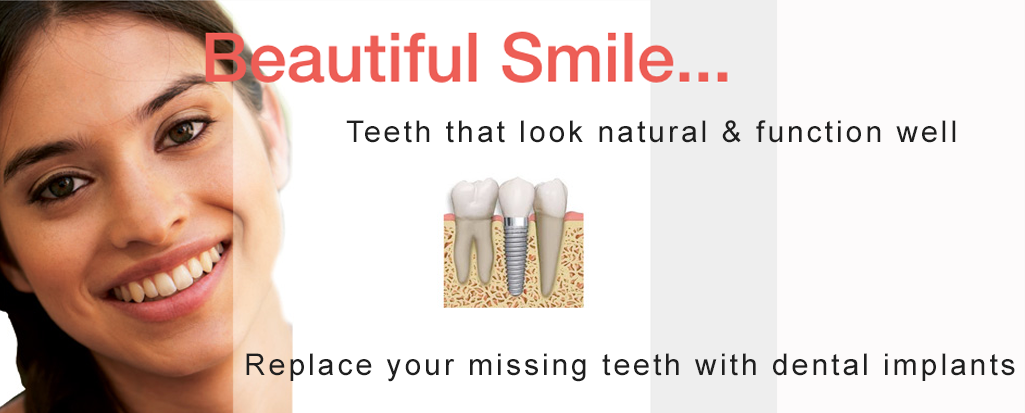
A dental implant is a small titanium screw placed into the jaw bone to serve as an artificial tooth root. Once the implant fuses with the bone (a process called osseointegration), it becomes a permanent anchor for a crown, bridge, or full arch of teeth — giving you replacement teeth that look, feel, and function exactly like natural ones.

As an Oral & Maxillofacial Surgeon, Prof. Dr. Girish Rao has the highest level of surgical training for implant placement — including bone grafting, sinus lifts, zygomatic implants, pterygoid implants, and full-mouth rehabilitation in cancer and trauma patients.

Single

Tooth Replace one missing tooth

Multiple Teeth

Implant-supported bridges

Full Arch

All on 4 / 6 / 8

Overdentures

Snap-on implant dentures

Zygomatic & Pterygoid

No bone-graft cases

Bone Grafts

Rebuilding the foundation

Post-Oncology

Implants after cancer treatment

Syndromes

Congenitally missing teeth
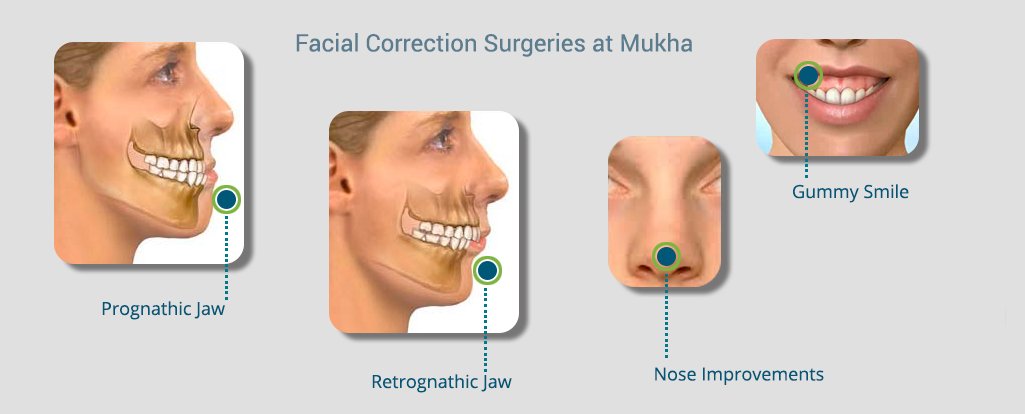
Facial Surgery

Single Tooth Replacement

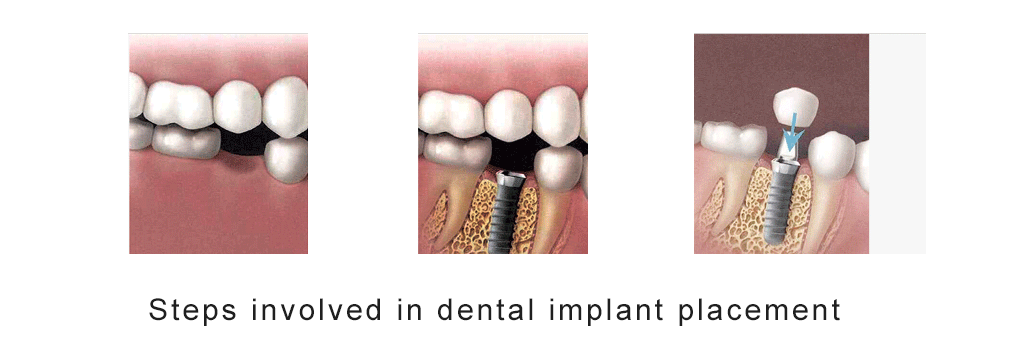
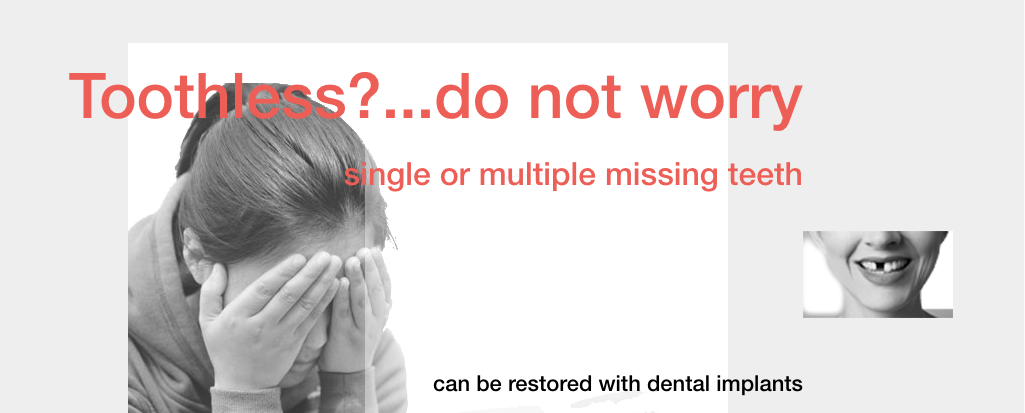
A single tooth implant is the gold-standard solution when one tooth is lost to decay, fracture, or trauma. A titanium implant is placed in the jaw bone and, after osseointegration (3–4 months), a custom porcelain crown is attached — giving you a tooth that is indistinguishable from your natural teeth.

Unlike a traditional bridge, a single implant does not require cutting down the neighbouring healthy teeth — preserving your natural dentition while also stimulating the jaw bone to prevent shrinkage.

Implant Scenario 2

Multiple Teeth Replacement.

When several adjacent or non-adjacent teeth are missing, implant-supported bridges offer the most stable, permanent solution. Two or more implants are strategically placed to support a fixed bridge — eliminating the need for removable partial dentures and their associated clasps and adhesives.

The result is a fixed, comfortable, natural-looking restoration that restores full bite strength and prevents the bone loss that accelerates with missing teeth.

Implant Scenario 3

Full Arch Rehabilitation

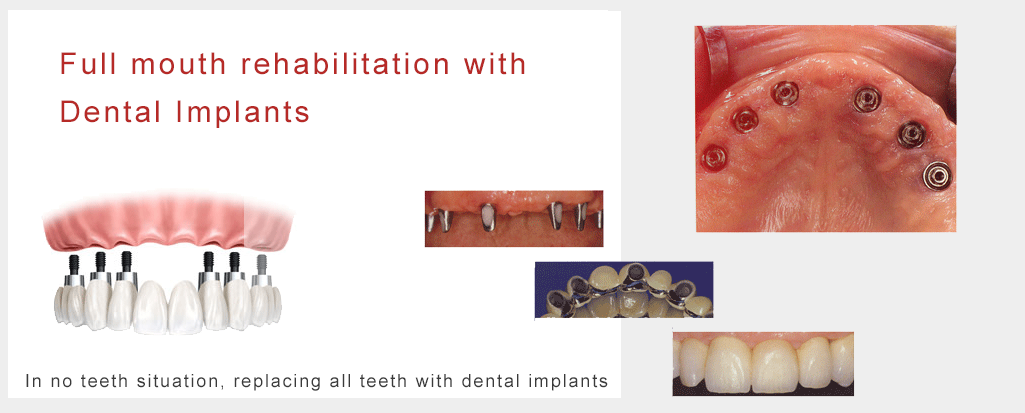
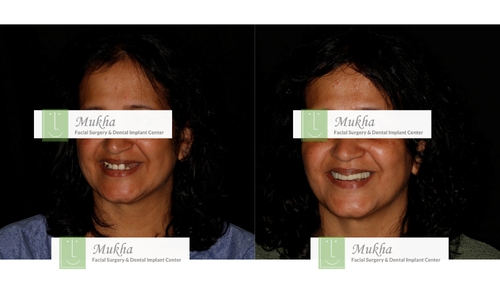
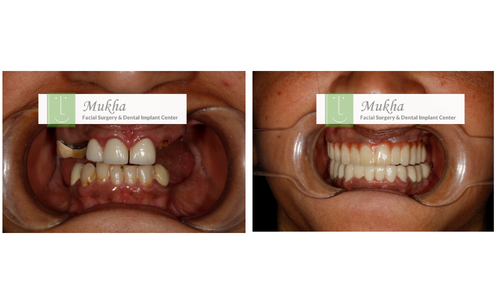
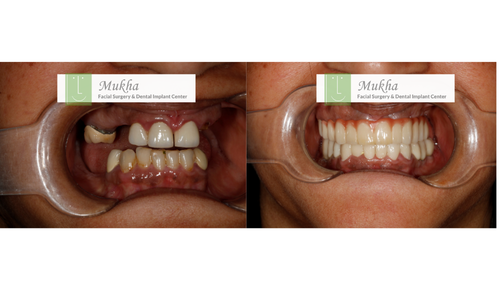
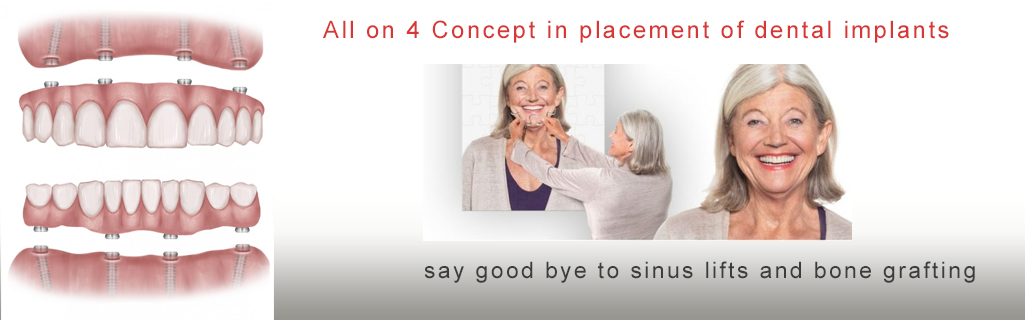
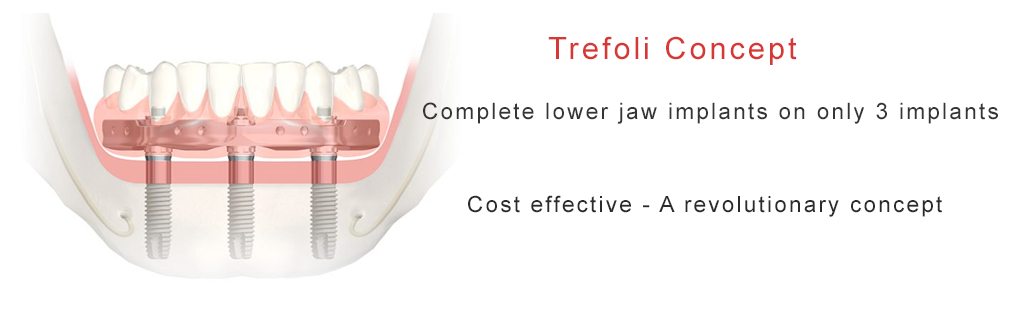
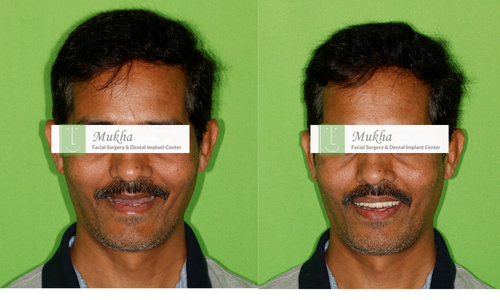
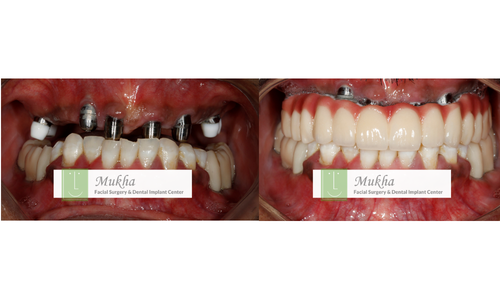
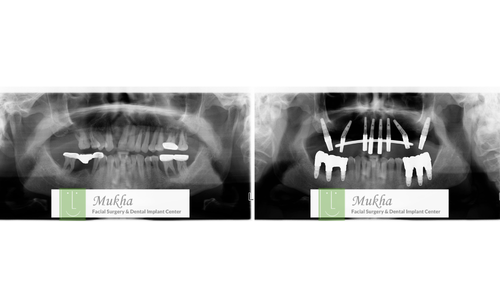
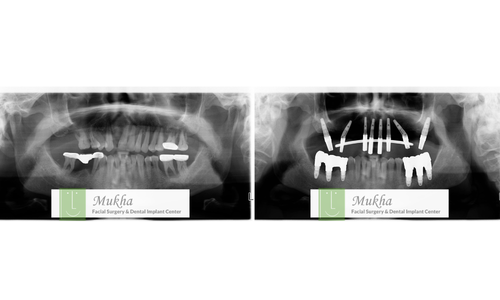
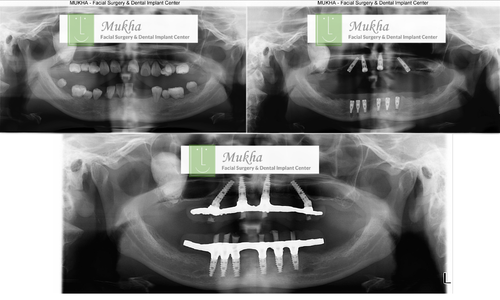
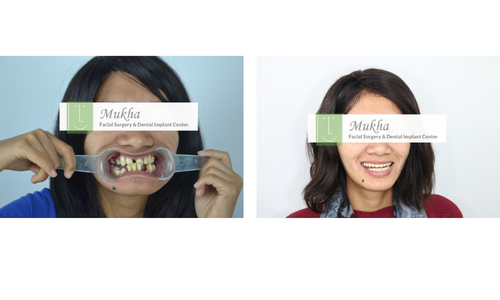
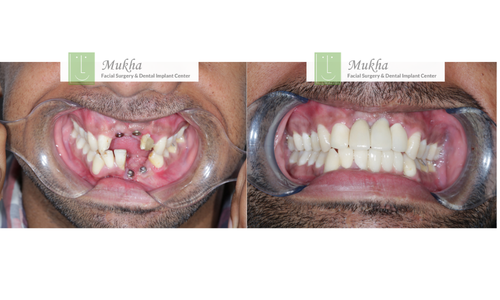
Full arch rehabilitation replaces all teeth in one or both jaws with a fixed implant-supported prosthesis. Depending on available bone and jaw anatomy, 4, 6, or 8 implants are placed to support a complete arch of teeth — often on the same day as surgery (immediate loading).

All-on-4 — 4 implants, angled posteriors
Two straight and two tilted implants maximise bone contact, often eliminating the need for bone grafting. Ideal for moderate bone loss with immediate loading.

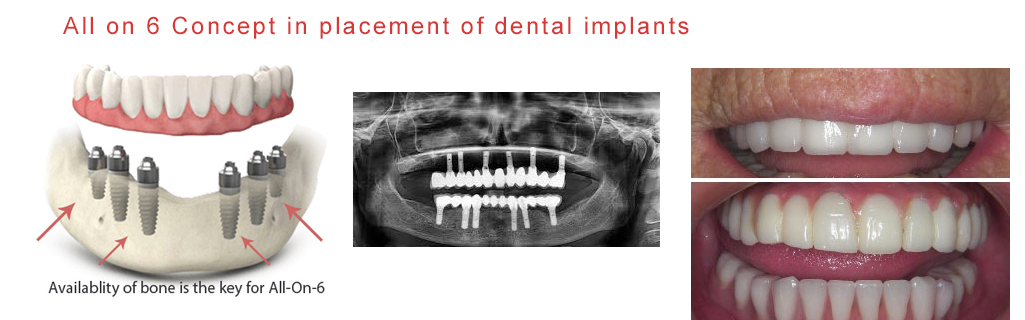
All-on-6 — 6 implants, superior stability
Two additional implants offer a more robust foundation — particularly recommended in the upper jaw where bone density is lower and for heavier biting forces.

All-on-8 — 8 implants, maximum support
For patients who want the highest level of support and force distribution, or have a larger jaw requiring maximum posterior stability

Implant Scenario 4

Implant Overdentures

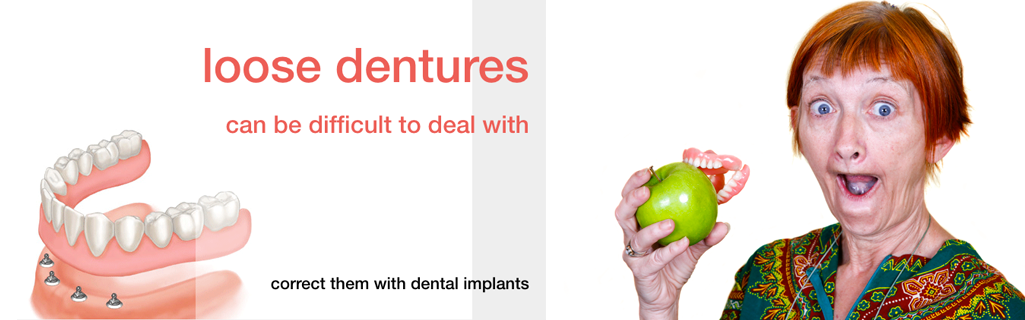
Implant overdentures are removable dentures that snap onto 2–4 implants using ball attachments, bars, or locator systems. They offer dramatically better stability, chewing efficiency, and comfort compared to conventional suction dentures — while being more affordable than fully fixed options.

For patients who prefer or require a removable solution — such as those who need easier hygiene access or have limited bone — overdentures offer an excellent middle ground between conventional dentures and a fully fixed arch.

Implant Scenario 3

Dental Implants in Facial Trauma

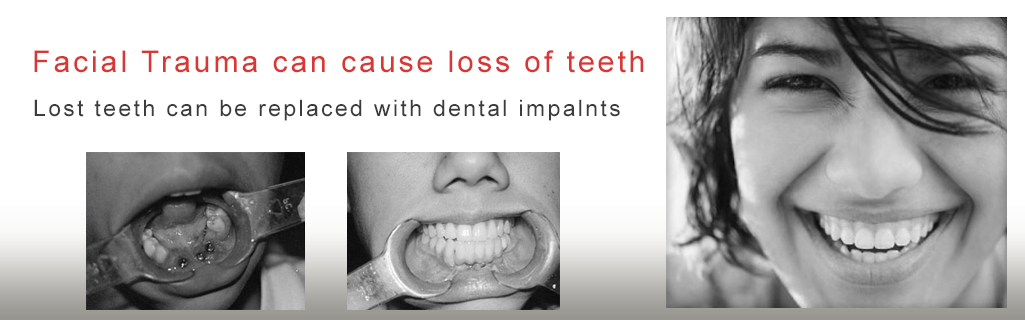
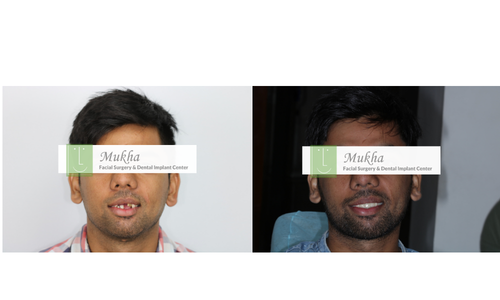
Facial injuries caused by road traffic accidents, sports injuries, falls, or workplace trauma can result in the loss or severe damage of one or more teeth. At Mukha Facial Surgery & Dental Implant Center, Dr. Girish Rao and his team specialize in restoring missing teeth with advanced dental implant solutions following facial trauma. Once the facial injuries have been appropriately treated and healing has occurred, dental implants provide a strong, natural-looking, and long-lasting replacement for lost teeth, helping patients regain their smile, chewing ability, speech, and confidence while restoring both function and facial aesthetics.
Implant Scenario 4

Implant for Long Distance Patients - Tooth In A Day

For patients travelling from other cities or overseas, Teeth in a Day at Mukha Facial Surgery & Dental Implant Center offers a convenient and life-changing solution. Using advanced dental implant technology, Dr. Girish Rao and his experienced team can often remove failing teeth, place dental implants, and provide a fixed set of temporary teeth—all in a single day for carefully selected patients. This innovative approach minimizes downtime, avoids the inconvenience of being without teeth, and allows long-distance patients to return home with a confident smile, improved function, and renewed quality of life. Every patient is thoroughly evaluated to ensure this treatment is safe and appropriate for their individual needs.

Implant Scenario 3

Dental Implants in Jaw pathology

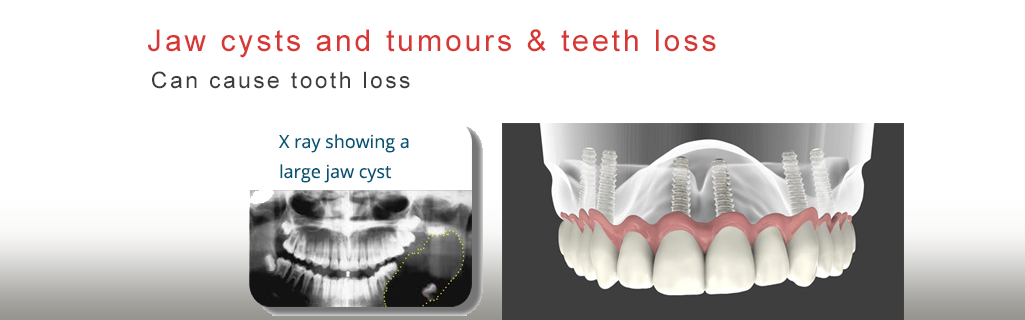
Cysts and tumours affect the jaw bones quiet often. The treatment of these conditions require extensive surgeries which include removal of the affected teeth and the adjacent alveolar (jaw) bone. The treatment itself leads to not only changes in the shape and form of the jaw and facial structures, but significantly affects functions such as speech, swallowing and chewing food.

Dental implants have revolutionised the rehabilitation of these conditions by restoring normal form and function.

Implant Scenario 4

Implants in Syndromes & Congenitally Missing Teeth

Some individuals are born with absent or malformed teeth due to genetic syndromes or developmental conditions — including ectodermal dysplasia, cleft lip and palate, Down syndrome, and isolated tooth agenesis (missing lateral incisors, premolars, etc.).

Treatment requires careful timing — implants are generally deferred until jaw growth is complete (late teens). Dr. Girish Rao works with paediatric dental specialists and orthodontists to plan comprehensive rehabilitation — often combining orthodontic space opening, bone grafting, and staged implant placement.

Implant Scenario 5

Maxillofacial Prosthesis

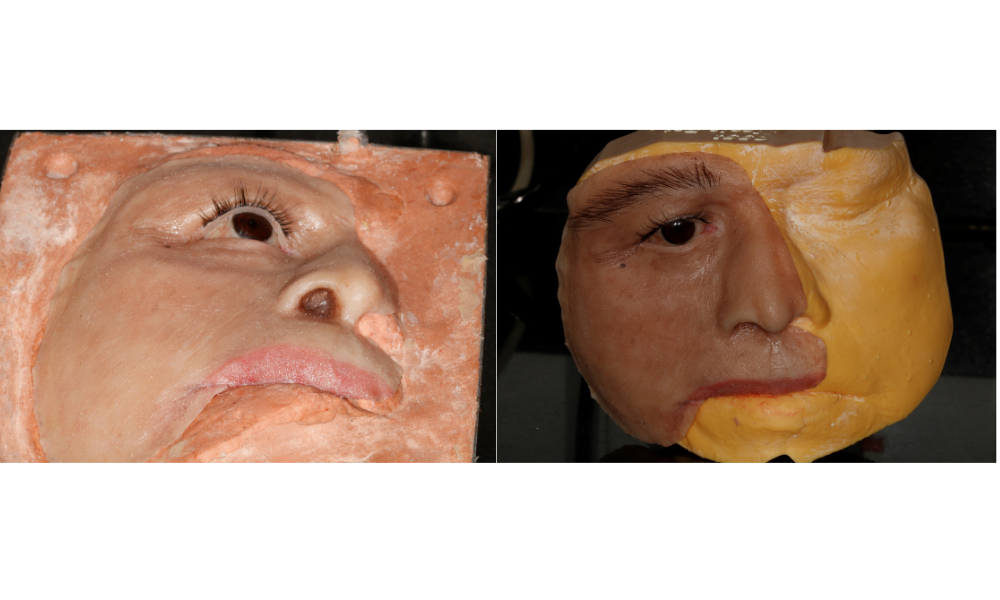
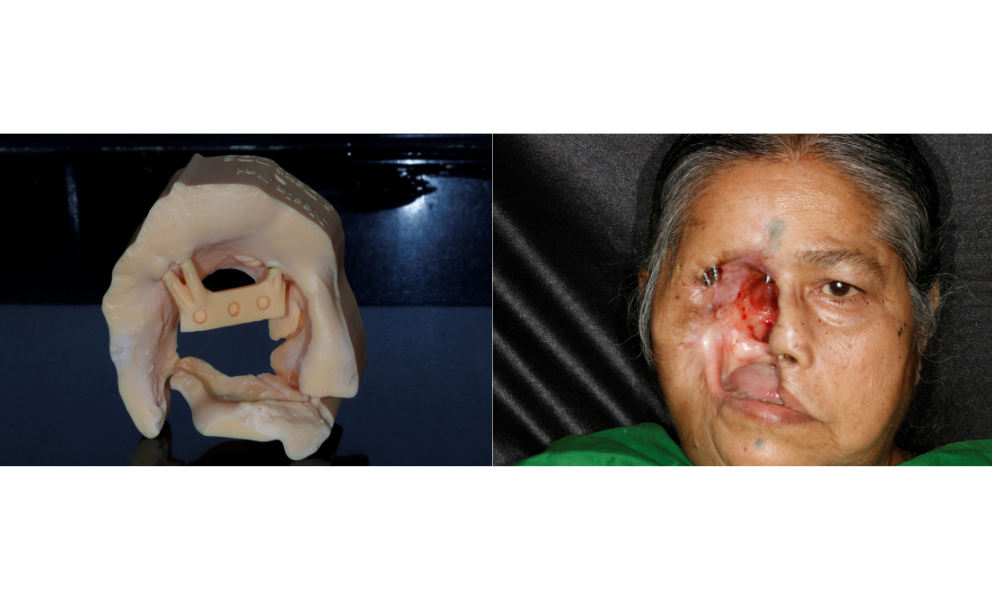
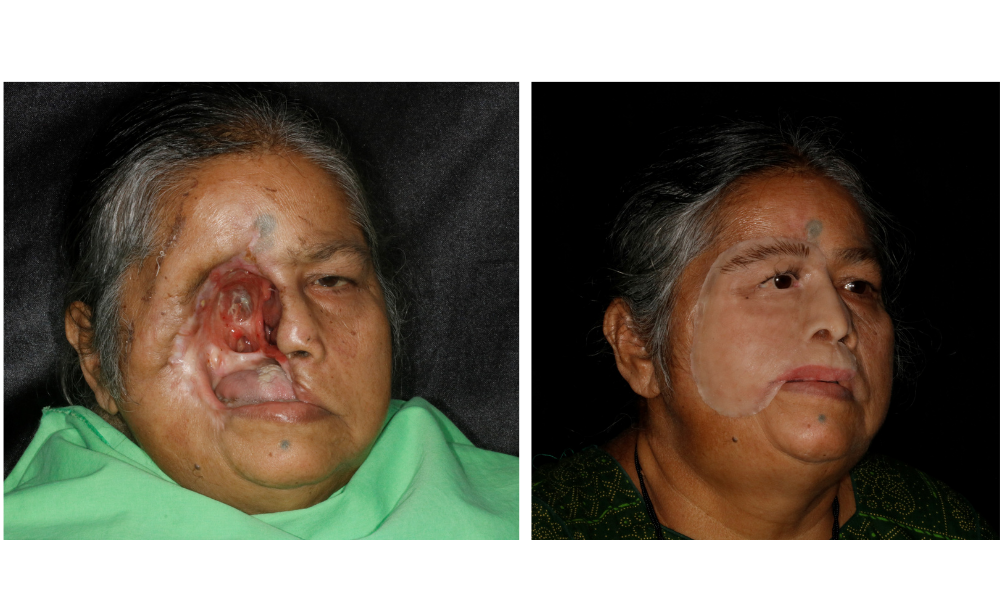
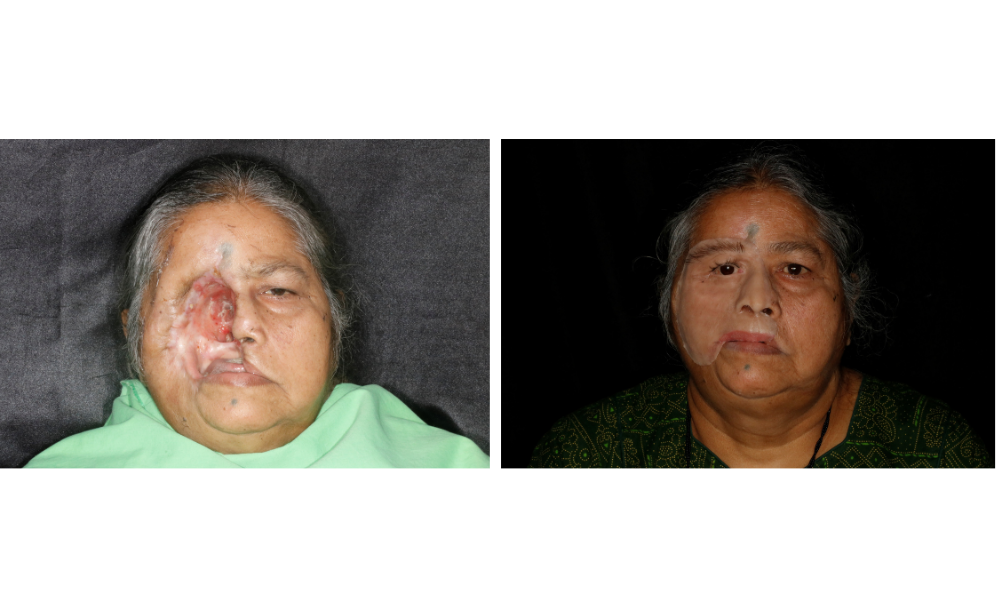
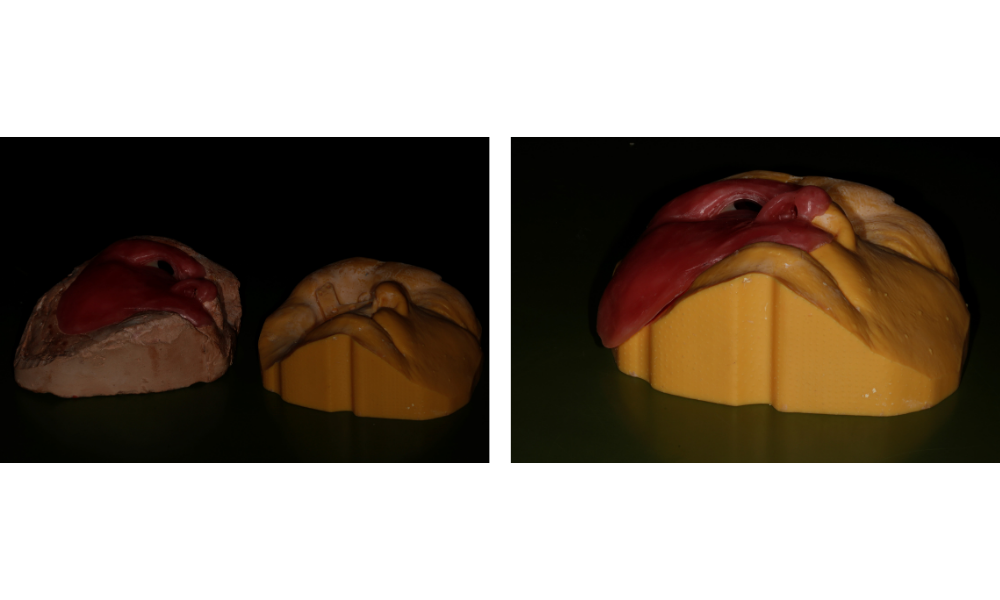
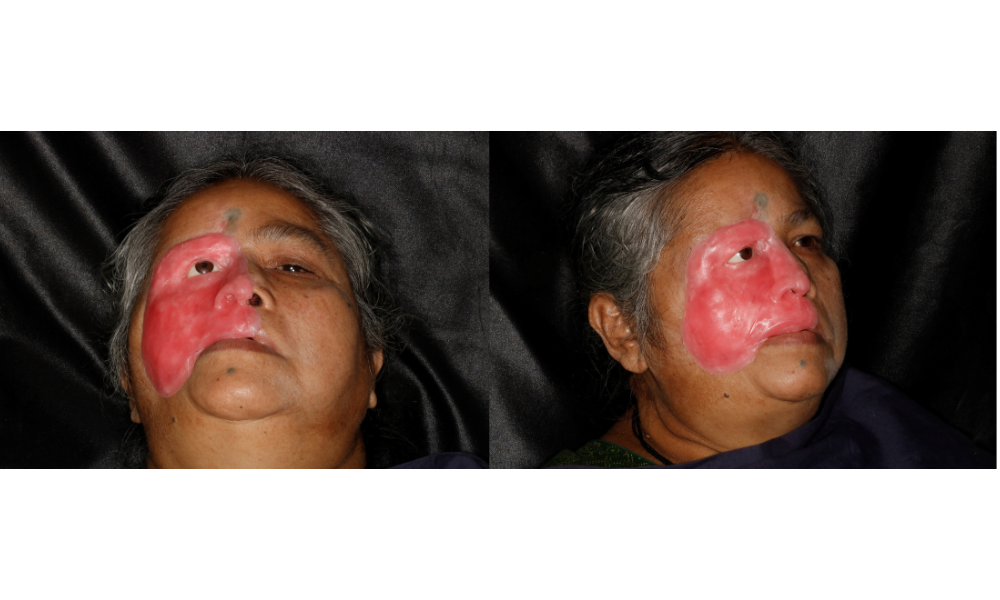
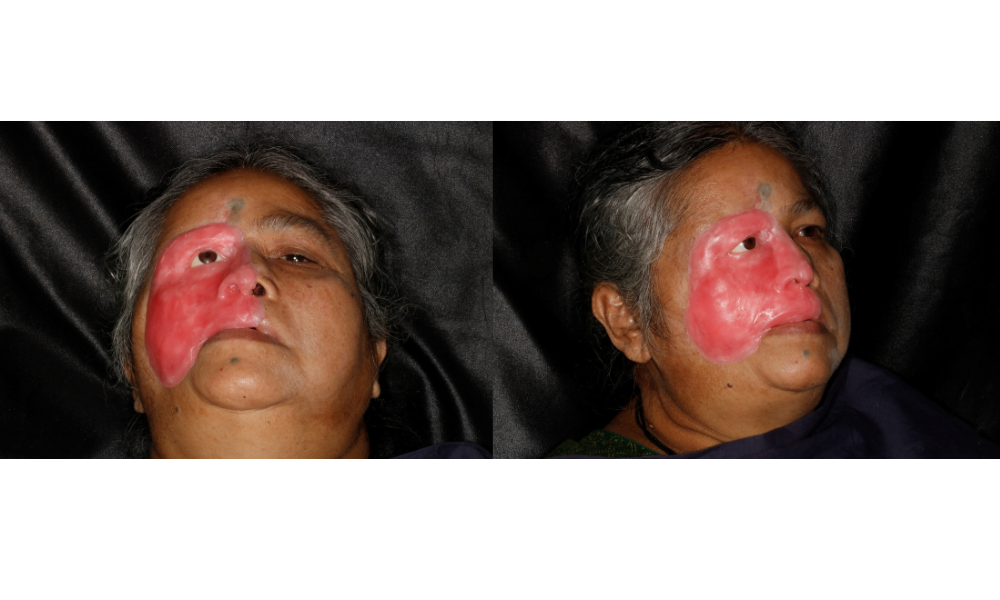
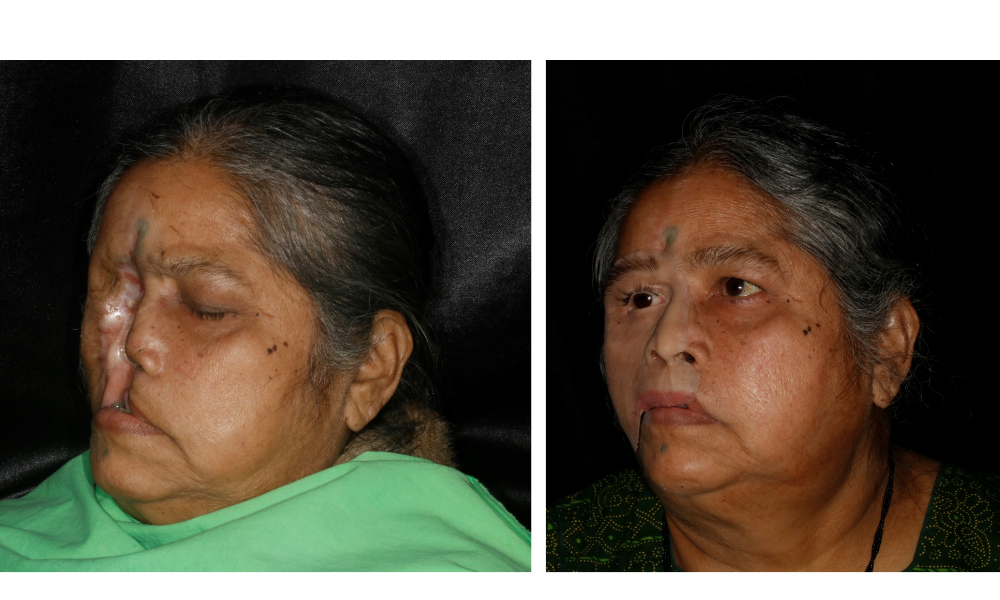
Maxillofacial prosthetics uses implants to retain prosthetic replacements of facial structures lost to cancer surgery, trauma, or congenital conditions — including eyes (ocular prosthesis), ears (auricular prosthesis), nose (nasal prosthesis), or portions of the jaw and palate.

Implant-retained prostheses are far more stable and realistic-looking than adhesive-retained alternatives. Dr. Girish Rao works in collaboration with maxillofacial prosthodontists to plan and place the implants for optimal prosthetic outcomes.

Implant Scenario 4

Zygomatic Implants – An Advanced Solution for Severe Bone Loss
Implants in difficult Scenarios

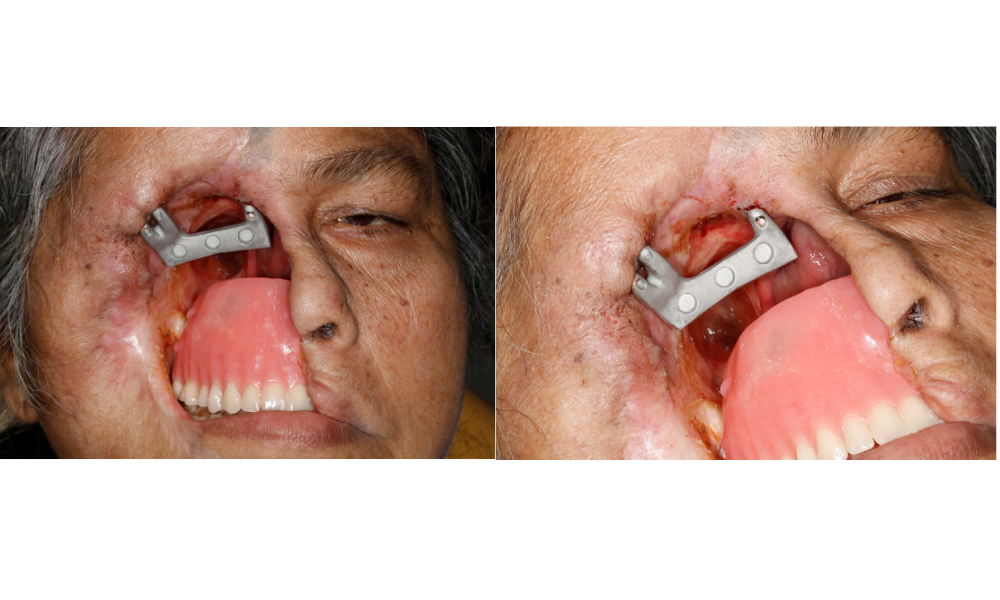
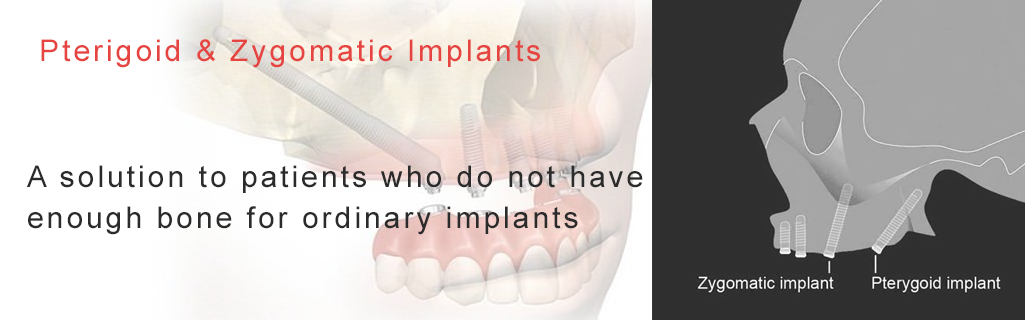
Zygomatic implants are a highly advanced dental implant treatment offered by Dr. Girish Rao at Mukha Facial Surgery & Dental Implant Center, Bangalore, for patients who have insufficient upper jaw bone and are not suitable for conventional dental implants. Instead of anchoring into the maxillary bone, these longer implants are securely placed into the strong cheekbone (zygoma), often eliminating the need for extensive bone grafting. Zygomatic implants are particularly beneficial for patients with severe upper jaw bone loss due to long-term tooth loss, previous failed implant treatment, trauma, congenital conditions such as ectodermal dysplasia and cleft-related deformities, or following maxillectomy performed for oral cancer. They play a vital role in restoring oral function, facial support, speech, and aesthetics in complex cases. With meticulous surgical planning using advanced 3D imaging and digital technology, Dr. Girish Rao and his team provide customized rehabilitation, frequently enabling patients to receive fixed teeth much sooner than traditional treatment methods. Every patient undergoes a comprehensive evaluation to determine the most appropriate and predictable treatment plan.

Advanced Implantology

Pterygoid Implants – A Graft-Free Solution for Advanced Upper Jaw Rehabilitation

Pterygoid implants are an advanced implant technique offered by Dr. Girish Rao and his team at Mukha Facial Surgery & Dental Implant Center, Bangalore, for patients with severe bone loss in the back portion of the upper jaw (posterior maxilla). Instead of relying on bone grafting or sinus lift procedures, these specially placed implants are anchored into the dense pterygoid bone located behind the upper jaw, providing excellent stability for fixed teeth.

Pterygoid implants are particularly beneficial for patients who have lost their upper back teeth for many years, have significant bone resorption, have previously been told they do not have enough bone for conventional implants, or wish to avoid lengthy bone grafting procedures.

This advanced technique often allows immediate or early restoration with fixed teeth, reducing treatment time, surgical interventions, and overall recovery. With comprehensive 3D digital planning and extensive experience in complex implant rehabilitation, Dr. Girish Rao and his team provide predictable, long-lasting solutions that restore chewing function, speech, facial support, and confidence while offering many patients a graft-free path to a fixed smile.

About Mukha

Comprehensive Treatments

A complete range of aesthetic facial surgical, non-surgical and dental treatments — all under one roof.

Zygomatic Implants

For patients with severe upper jaw bone loss who cannot receive conventional implants or bone grafts, zygomatic implants anchor into the cheekbone (zygoma) — which is always dense and available. This avoids bone grafting entirely and allows fixed teeth on the same day.

Dr. Girish Rao is one of the few surgeons in Bangalore trained in this advanced technique.

Pterygoid Implants

Pterygoid implants engage the dense pterygoid bone at the back of the upper jaw — an area unaffected by typical bone resorption. They extend the posterior support of an All-on-4 or All-on-6 arch, providing stability in the molar region without sinus lifts or bone grafts.

Particularly valuable in patients with severe posterior maxillary bone loss.

Buttress Implants

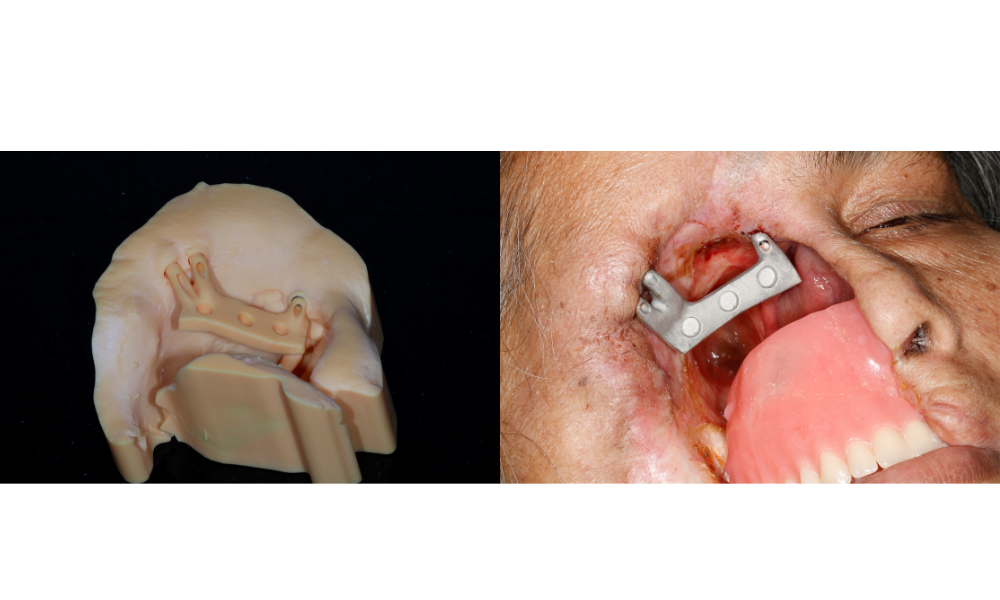
Buttress implants use the thick bony buttresses of the facial skeleton — such as the piriform rim, infraorbital rim, and zygomatic buttress — as anchorage points when standard jaw bone is insufficient. This is an advanced technique used in complex full-arch and post-trauma rehabilitation.

Nasal Implants

In patients with severe mid-facial defects — often following cancer ablation or trauma — implants placed in the nasal bone and anterior maxilla provide anchorage for prosthetic noses or mid-facial obturators. This is coordinated care between the maxillofacial surgeon and prosthodontist.

Building the Foundation

Sinus Lifts & Bone Grafts

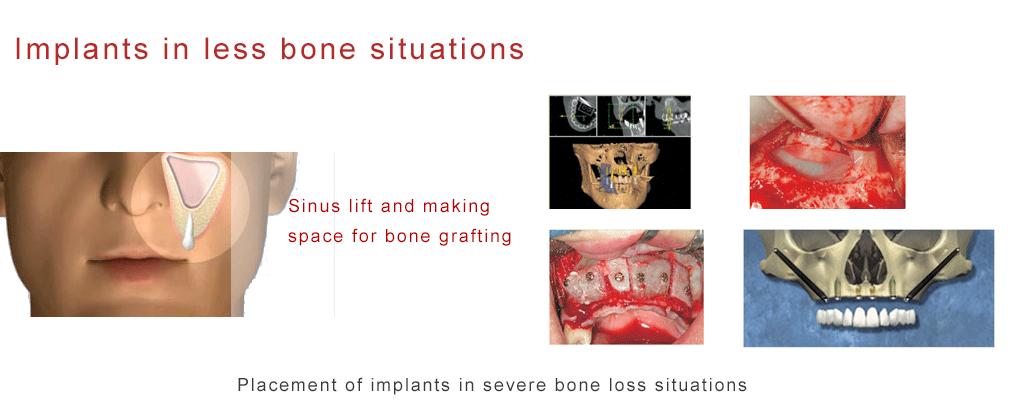
Many patients who have been missing teeth for some time experience bone loss in the jaw — which can make conventional implant placement impossible. At Mukha, Dr. Girish Rao uses bone regeneration techniques to rebuild the jaw bone so that implants can be placed with long-term stability.
Sinus Lifts
The maxillary sinus sits above the upper back teeth. When bone height here is insufficient for implants, a sinus lift (sinus augmentation) procedure elevates the sinus floor and places bone graft material beneath it — creating enough bone for implant placement. Can be done as a lateral window or through-the-implant-site (crestal) approach.

Bone Grafts — Types

  • Autogenous (your own bone)
    — harvested from the chin, ramus, or iliac crest. Gold standard. Contains living bone cells for best integration.
  • Bovine (xenograft)
    — processed bovine bone mineral. Excellent scaffold for new bone to grow into. Widely used, predictable results.
  • Synthetic (alloplast)
    — biocompatible materials like hydroxyapatite or tricalcium phosphate. No donor site required, immediate availability.
  • GBR (Guided Bone Regeneration)
    — bone graft covered with a membrane that keeps soft tissue out and allows bone to fill in the space over 4–9 months.

Surgical Excellence

Soft Tissue Management in Implants & GBR

Long-term implant success depends not only on bone integration but on the quality of the gum tissue surrounding the implant. Thin, fragile, or insufficient gum tissue leads to recession, implant visibility, and eventual failure. Dr. Girish Rao’s maxillofacial surgical training includes advanced soft tissue procedures to create a durable, natural-looking gum environment around implants.

Implant Scenario — Complex Rehabilitation

Post-Oncology Dental Implant Rehabilitation

Oral cancer surgery can result in loss of teeth, jaw bone, and surrounding soft tissue. Radiation therapy further compromises bone vitality (risk of osteoradionecrosis). Rehabilitation of these patients requires the expertise of an Oral & Maxillofacial Surgeon who understands both the oncological context and advanced implant techniques.

Dr. Girish Rao plans and executes comprehensive implant rehabilitation for post-cancer patients — including implants in irradiated bone with hyperbaric oxygen therapy protocols, implant-retained obturators, and implant-supported prostheses following jaw reconstruction.

Implant Scenario — Trauma

Post-Trauma Dental Implant Rehabilitation

Road traffic accidents, sports injuries, and workplace trauma can result in loss of multiple teeth and supporting bone simultaneously. Implant rehabilitation after facial trauma requires careful timing, often coordinated with the management of associated jaw fractures and soft tissue injuries.

Dr. Girish Rao, as an Oral & Maxillofacial Surgeon, is uniquely placed to treat both the acute trauma and plan the subsequent implant rehabilitation — providing continuity of care from the emergency room to the final smile.

Implant Scenario — Special Populations

Implants in Syndromes & Congenitally Missing Teeth

Some individuals are born with absent or malformed teeth due to genetic syndromes or developmental conditions — including ectodermal dysplasia, cleft lip and palate, Down syndrome, and isolated tooth agenesis (missing lateral incisors, premolars, etc.).

Treatment requires careful timing — implants are generally deferred until jaw growth is complete (late teens). Dr. Girish Rao works with paediatric dental specialists and orthodontists to plan comprehensive rehabilitation — often combining orthodontic space opening, bone grafting, and staged implant placement.

Patient Education

Everything You Need to Know About Dental Implants

We believe that an informed patient is an empowered patient. Here is our complete guide to dental implants — from “what is it?” to long-term care.
Option Appearance Bone Preservation Lifespan Adjacent Teeth Removable?
Dental Implant ✔ Best — natural ✔ Prevents bone loss ✔ Lifetime ✔ Not affected No — fixed
Fixed Bridge ✔ Good ✘ Bone loss under it 10–15 yrs ✘ Cut down 2 teeth No — fixed
Removable Partial Denture Fair ✘ Bone loss continues 5–7 yrs ✘ Clasps stress teeth Yes — removable
Full Denture Fair ✘ Progressive resorption 5–7 yrs N/A Yes — removable
No Treatment ✘ Gap visible ✘ Rapid bone loss ✘ Drift & tip over

History of Dental Implants

Osseointegration was discovered by Prof. Per-Ingvar Brånemark in Sweden in 1952 — accidentally, while studying blood flow in rabbit bone. The first human dental implant was placed in 1965. Since then, over 5 million implants are placed worldwide each year with a 95–98% long-term success rate. This is one of the most proven procedures in medicine.

Who is a Candidate?

Most healthy adults with one or more missing teeth are candidates for dental implants. You need adequate jaw bone volume, healthy gums, and no uncontrolled systemic disease. Age is not a barrier — implants are successful in patients from their 20s to their 80s and beyond.
When Implants May Be Avoided

Uncontrolled diabetes, active smoking, certain bisphosphonate medications, active cancer treatment (radiation to jaws), severe immune suppression, and insufficient jaw growth in children and adolescents may require special consideration or preclude implants. A thorough evaluation with Dr. Girish Rao will determine your suitability.

Why Implants are the Gold Standard

Implants are the only tooth replacement that preserves jaw bone. They do not involve cutting down healthy adjacent teeth. They look, feel, and function like natural teeth. With proper care and regular maintenance, they are the most durable and cost-effective long-term tooth replacement available.

Candidacy

Am I a Candidate?

These are the most common questions patients ask before their implant consultation. Find your answers here — or book a free consultation with Dr. Girish Rao.
I've had missing teeth for years — is it too late?
Not at all. Even with significant bone loss, techniques like bone grafting, sinus lifts, zygomatic implants, and pterygoid implants can make implants possible. A CBCT scan allows us to precisely assess the available bone.
Well-controlled diabetes is not a contraindication for implants. With good HbA1c levels (ideally below 7.5) and careful surgical planning, implants have excellent success rates in diabetic patients.
Smoking is the single biggest risk factor for implant failure. Smokers have 2–3× higher failure rates. We strongly advise stopping smoking for at least 2 weeks before and 2 months after surgery. We will support you through this.
Oral bisphosphonates at low doses (for osteoporosis) carry low risk. IV bisphosphonates (for cancer) carry significantly higher risk of bone complications. Each case is assessed individually with your physician.
Some individuals are born with absent or malformed teeth due to genetic syndromes or developmental conditions — including ectodermal dysplasia, cleft lip and palate, Down syndrome, and isolated tooth agenesis (missing lateral incisors, premolars, etc.). Treatment requires careful timing — implants are generally deferred until jaw growth is complete (late teens). Dr. Girish Rao works with paediatric dental specialists and orthodontists to plan comprehensive rehabilitation — often combining orthodontic space opening, bone grafting, and staged implant placement.

The Procedure

How Dental & Implants are Done

Implant treatment is a multi-stage process. Here is a complete, honest overview — step by step, with no surprises. We believe a well-informed patient has a better experience and a better outcome.
Assessment

Step 1 — Consultation & CBCT Scan

A detailed clinical examination and CBCT (cone beam CT) 3D scan assess your bone volume, anatomy, adjacent structures, and overall oral health. This data is used to plan implant position, size, and the need for any bone grafting.

Surgical Phase

Step 2 — Implant Placement (Day of Surgery)

Under local anaesthesia (or sedation if preferred), the implant — a small titanium screw — is placed into the prepared bone. A healing cap or temporary restoration may be placed the same day. The procedure typically takes 30–90 minutes per implant.

Healing Phase

Step 3 — Osseointegration (3–6 months)

Over 3–6 months, the jaw bone grows around and fuses with the implant — a process called osseointegration. During this time a temporary restoration maintains aesthetics and function.

Prosthetic Phase

Step 4 — Abutment & Crown / Bridge

Once the implant has integrated, an abutment (connector) is attached, impressions are taken, and a custom-made porcelain crown, bridge, or full arch prosthesis is fabricated and fitted. Final adjustments are made for a perfect bite.

Maintenance

Step 5 — Recall & Long-Term Care

Regular professional maintenance appointments (every 6–12 months) with specialist cleaning and X-rays are essential for monitoring implant health and ensuring decades of success.

Typical Timeframes

Simple single implant: 3–5 months total
Implant + bone graft: 6–9 months total
All-on-4 / same day: 1 day (temp) + 3–6 months (final)
Sinus lift + implant: 8–12 months total

Complications — Honest Information

Early Complications

Post-operative swelling, bruising, and mild discomfort are normal and managed with medication. Infection occurs in <2% of cases and responds to antibiotics. Early implant failure (failure to integrate) occurs in 1–3% and is usually re-treatable.

Late Complications

Peri-implantitis — inflammation around the implant similar to gum disease — is the most common late complication, usually related to poor oral hygiene. Regular maintenance appointments prevent and detect this early.

How We Minimise Risk

At Mukha, every implant is planned with CBCT 3D imaging. Dr. Girish Rao's maxillofacial surgical training — including management of nerves, sinuses, and complex anatomy — is your greatest safeguard against surgical complications.

Long-Term Success

After Care & Maintenance

An implant is a lifetime investment — but only if properly maintained. Good after care transforms a 10-year implant into a lifetime implant.

Daily Home Care

  • Brush twice daily with a soft-bristle brush — electric recommended
  • Use a water flosser (oral irrigator) to clean around implants and under bridges — essential for implant longevity
  • Interdental brushes for gaps around implants
  • Non-abrasive fluoride toothpaste
  • Chlorhexidine rinse for first 2 weeks post-surgery

Why Recall Appointments are Mandatory

  • Professional implant cleaning with specialist instruments — cannot be replicated at home
  • Annual X-rays to monitor bone levels around implants
  • Early detection of peri-implantitis when fully treatable
  • Check and tighten prosthetic components
  • Without maintenance, 5-year peri-implantitis rates rise to 30%+
  • With maintenance, 20-year success rates exceed 95%

Mukha Implant Maintenance Programme

All our implant patients are enrolled in our structured recall programme — with 6-monthly specialist cleaning, annual radiographs, and bite check. This is not optional — it is part of our commitment to your lifetime implant success.

Testimonials

Our Patients' s Stories

Real patients, real results. Hear from people whose lives have been transformed by dental implants at Mukha.

"I had no bone left in my upper jaw and was told by three dentists that implants were impossible. Dr. Girish Rao placed zygomatic implants and I walked out the same day with fixed teeth. It changed my life completely."

Ramesh K. Zygomatic Implants

"After my jaw cancer surgery, I thought I would never eat normally again. The implant rehabilitation at Mukha gave me back my ability to eat, speak clearly, and smile with confidence. The care here is extraordinary."

Sunita M. Post-Oncology Implants — Mysuru

"I had an All-on-6 done in one day. I came in with failing teeth and left with a completely new smile. The team was incredibly professional and caring throughout the entire process."
Arjun P. All-on-6 — Bangalore

Investment in Your Health

Why Dental Implants Are Worth It

Quality Comes at a Price

A dental implant is a permanent medical device placed in your jaw bone. The quality of the implant system, the components, the crown material, and — most critically — the surgical expertise all determine whether your implant lasts 5 years or 50. At Mukha we use only internationally certified, peer-reviewed implant systems from Nobel Biocare, Straumann, and Osstem.

Our Promise — No Compromise

We have seen the consequences of choosing the cheapest option — failed implants, bone loss, and the expensive and difficult process of replacing them. At Mukha, we will never compromise on the quality of materials or surgical standards. When you invest in implants here, you invest once — for life.

True Cost of Cheap Implants

A cheap implant may fail within 5 years — requiring removal, bone grafting, and replacement. The total cost of a failed and replaced implant far exceeds the original cost of a quality implant done right the first time. Think of a dental implant as a long-term investment, not a purchase.

What Is Included in Your Implant Cost?

  • CBCT 3D scan and treatment planning
  • Premium implant fixture (Nobel Biocare /
  • Straumann / Osstem)
  • Surgical placement by Oral & Maxillofacial Surgeon
  • Abutment (implant connector)
  • Custom-made porcelain crown (tooth-coloured)
  • Post-surgical review appointments
  • First-year maintenance included
  • Written treatment guarantee
Exact costs vary based on the number of implants, bone grafting requirements, type of prosthesis, and material choices. We provide a detailed, transparent written treatment plan and cost breakdown at your consultation — with no hidden fees.

Ready to Transform Your Appearance?

Book a consultation with Prof. Dr. Girish Rao at Mukha Facial Surgery, Jayanagar, Bangalore.